
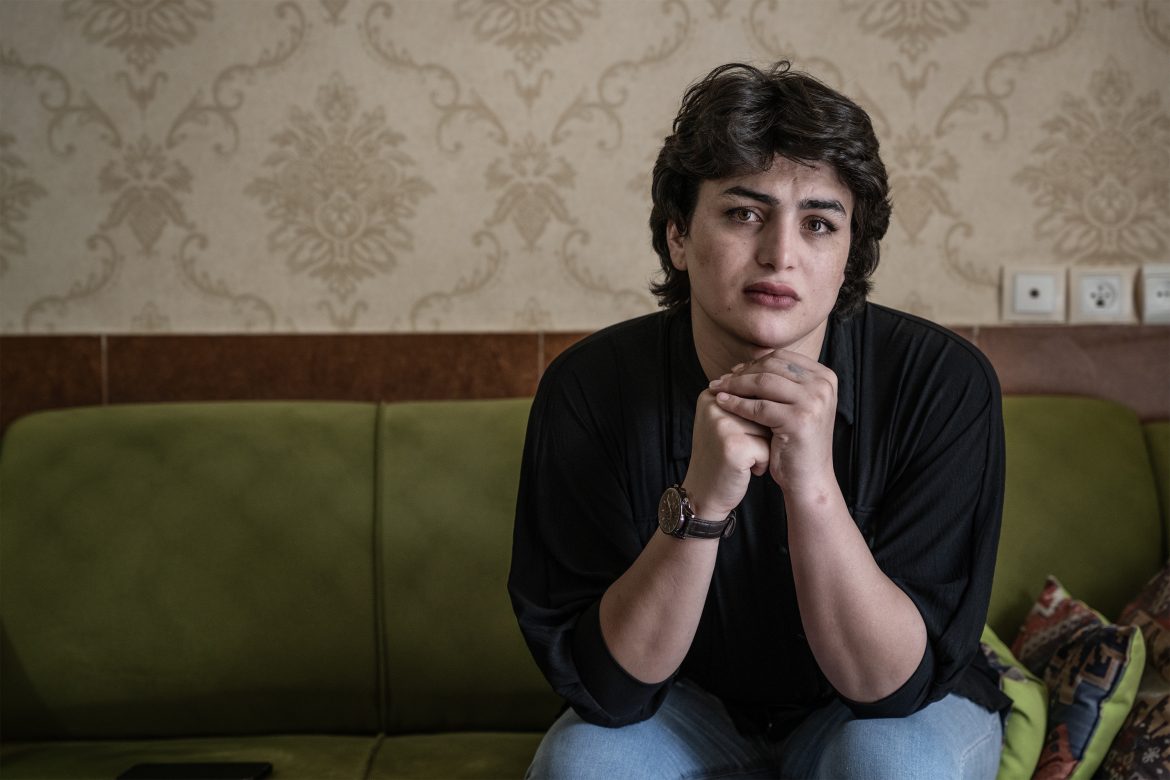
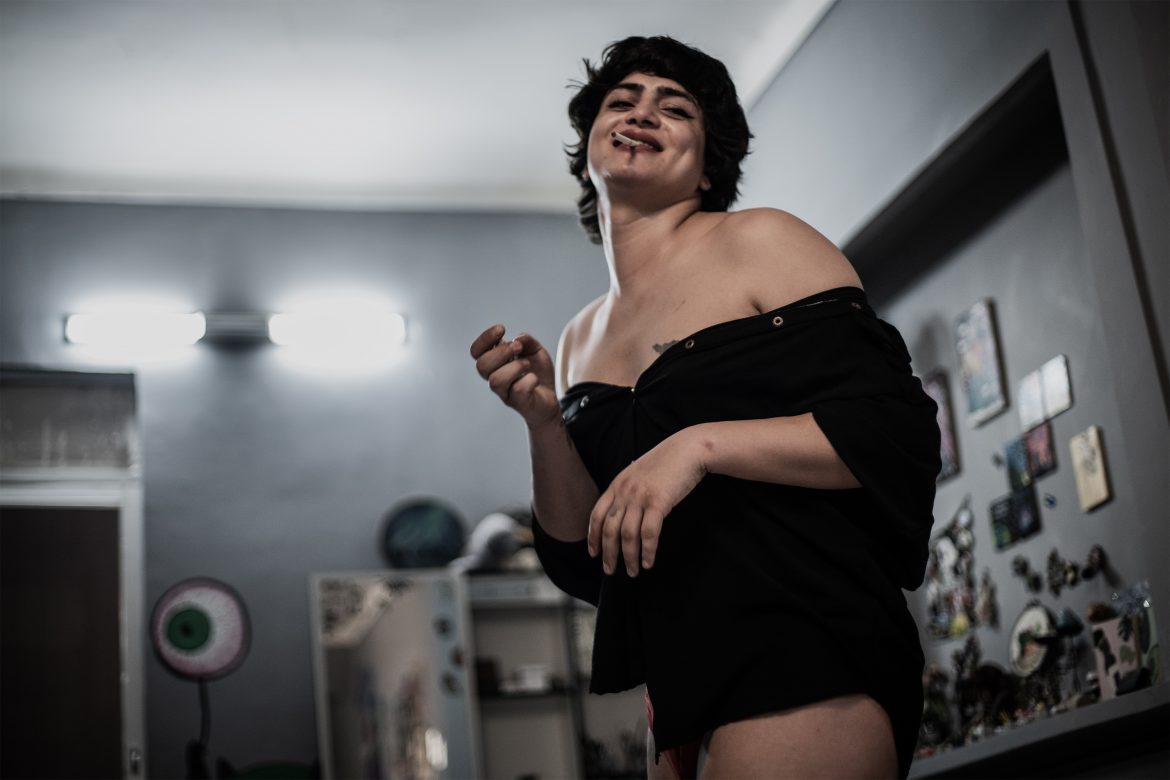
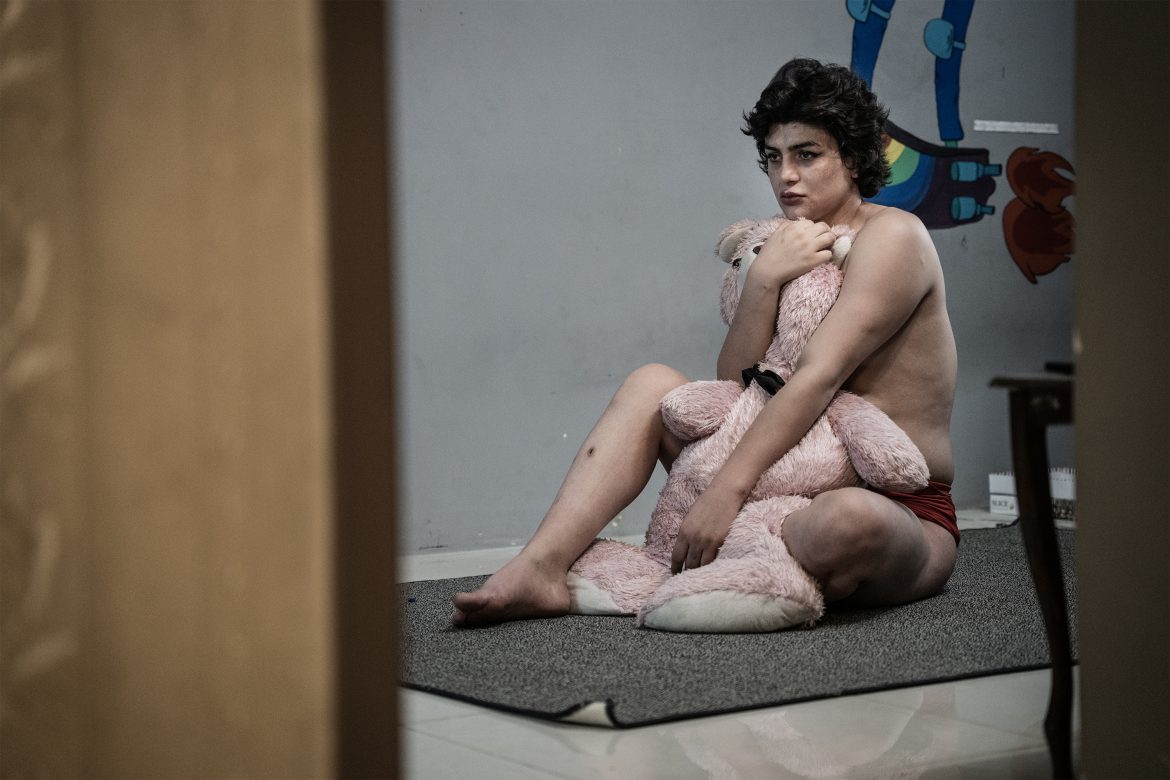
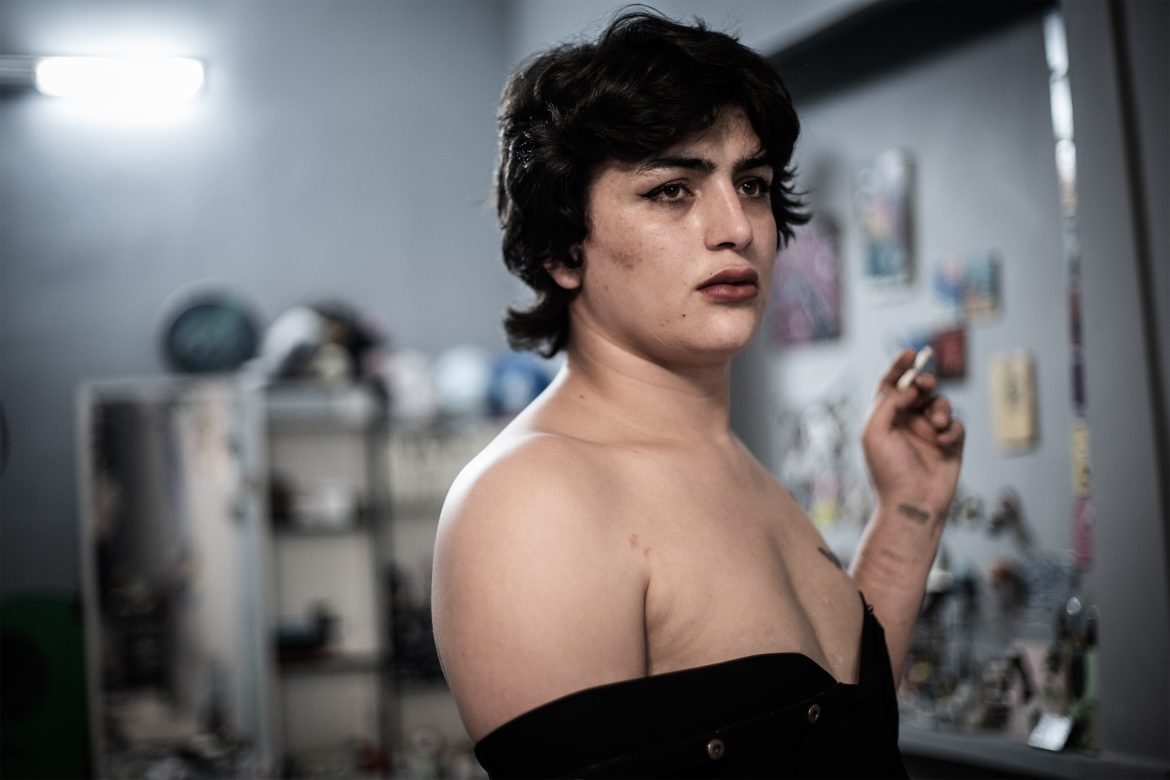
SOGAND, una fuerza inquebrantable.
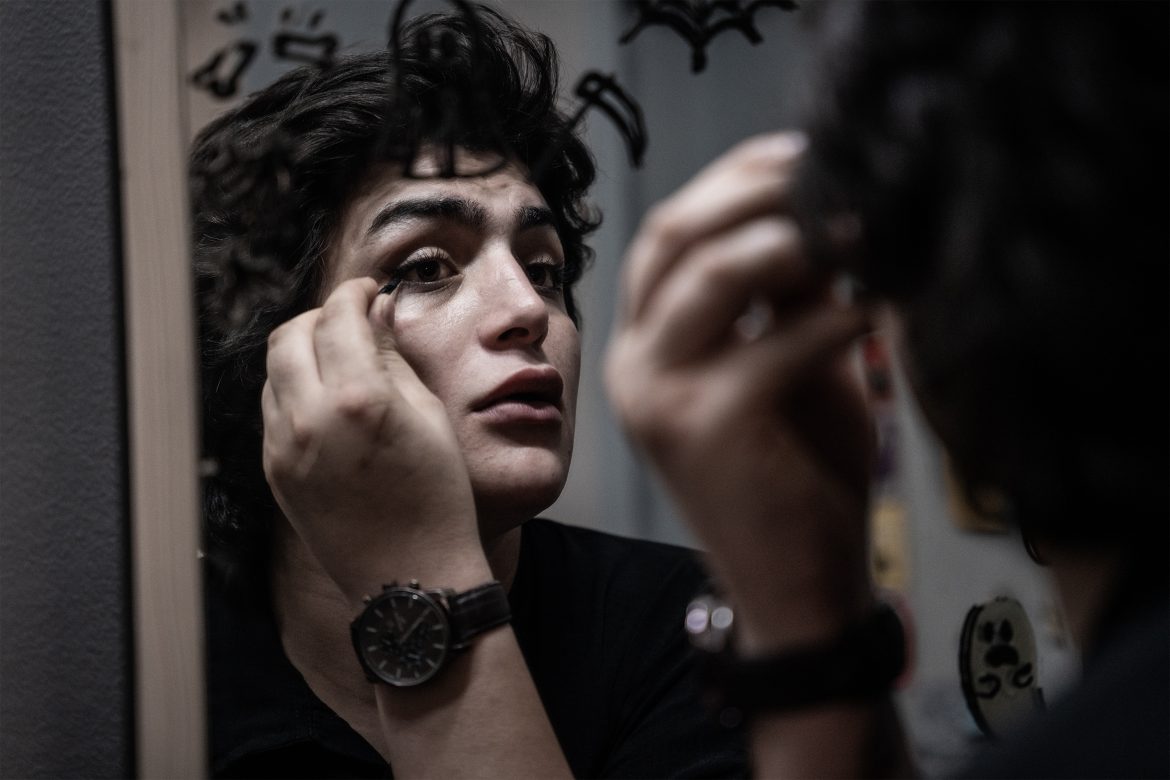
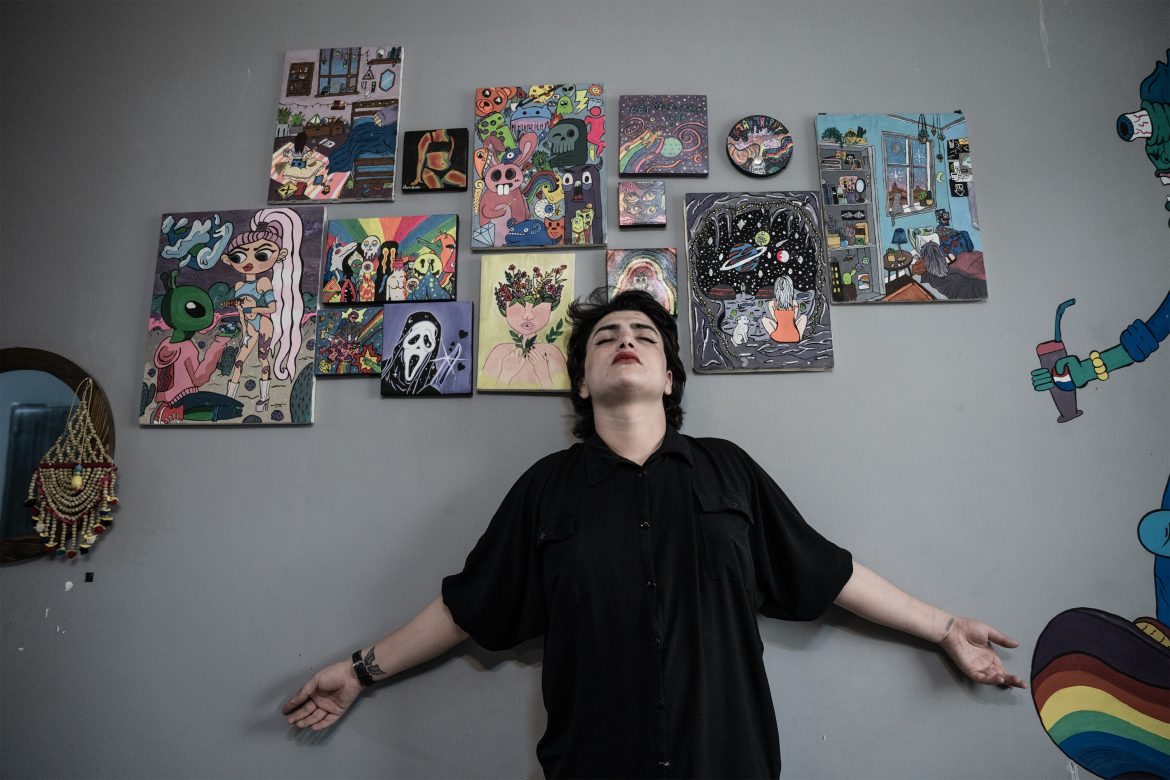
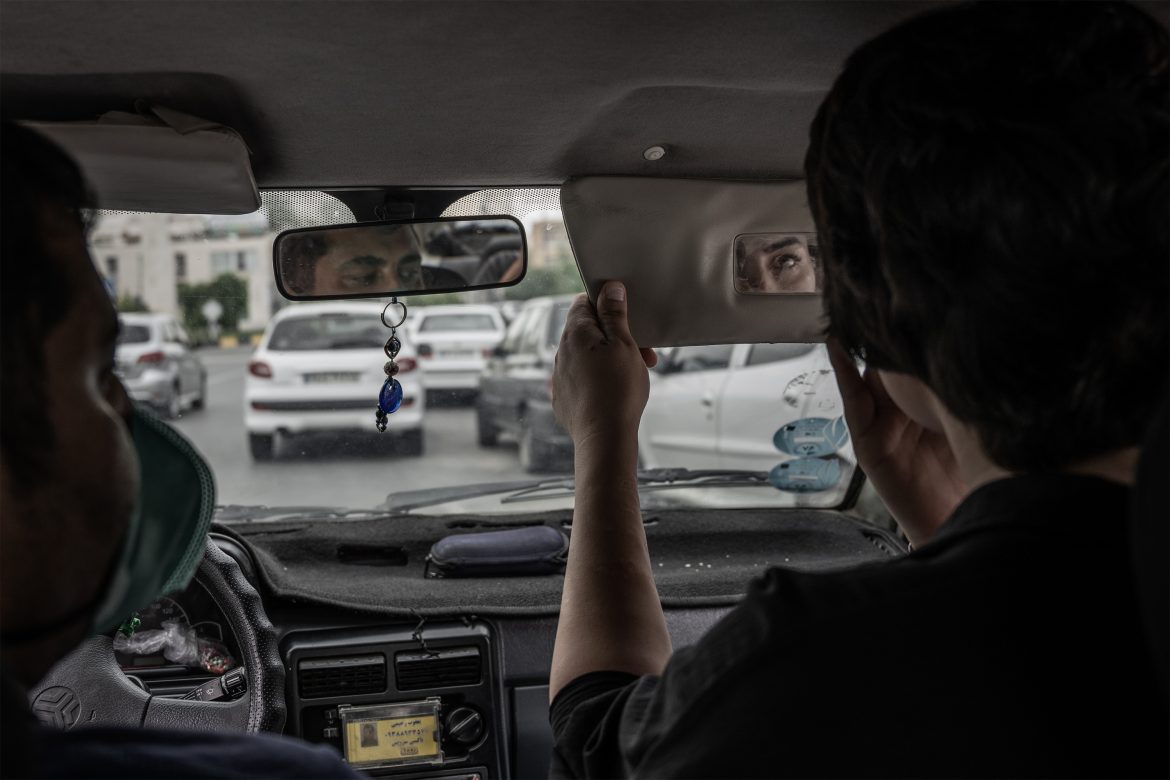
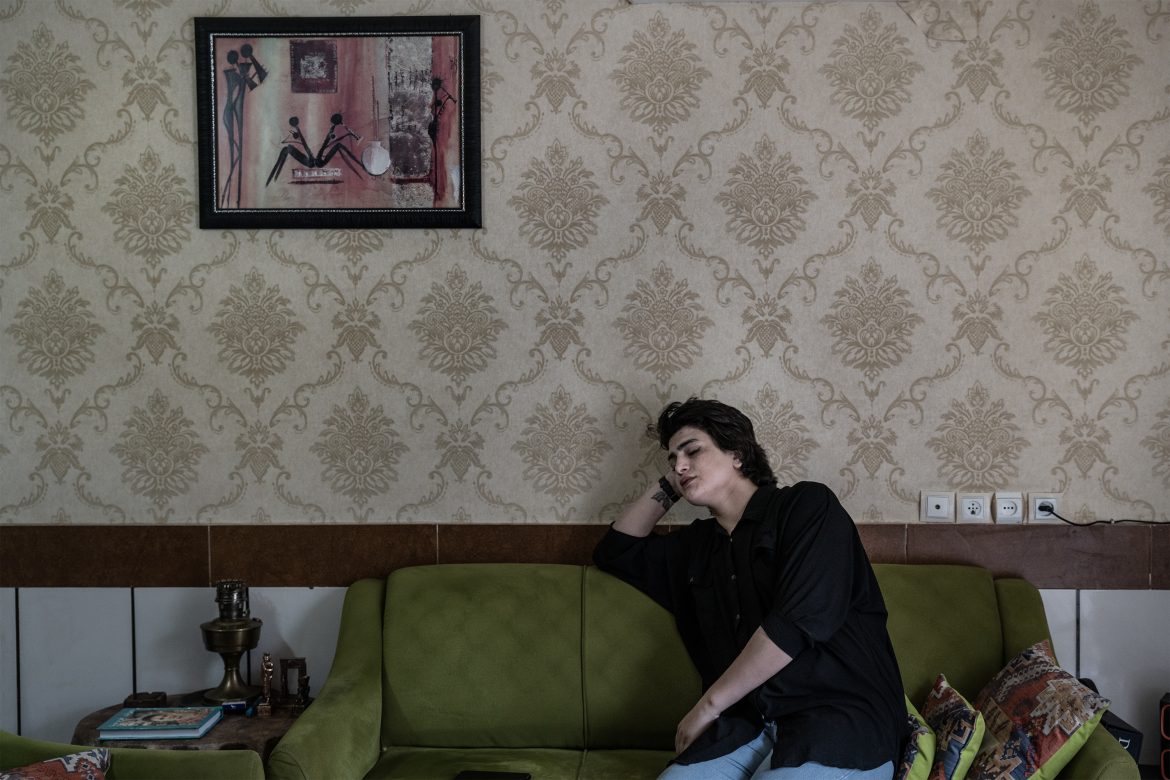
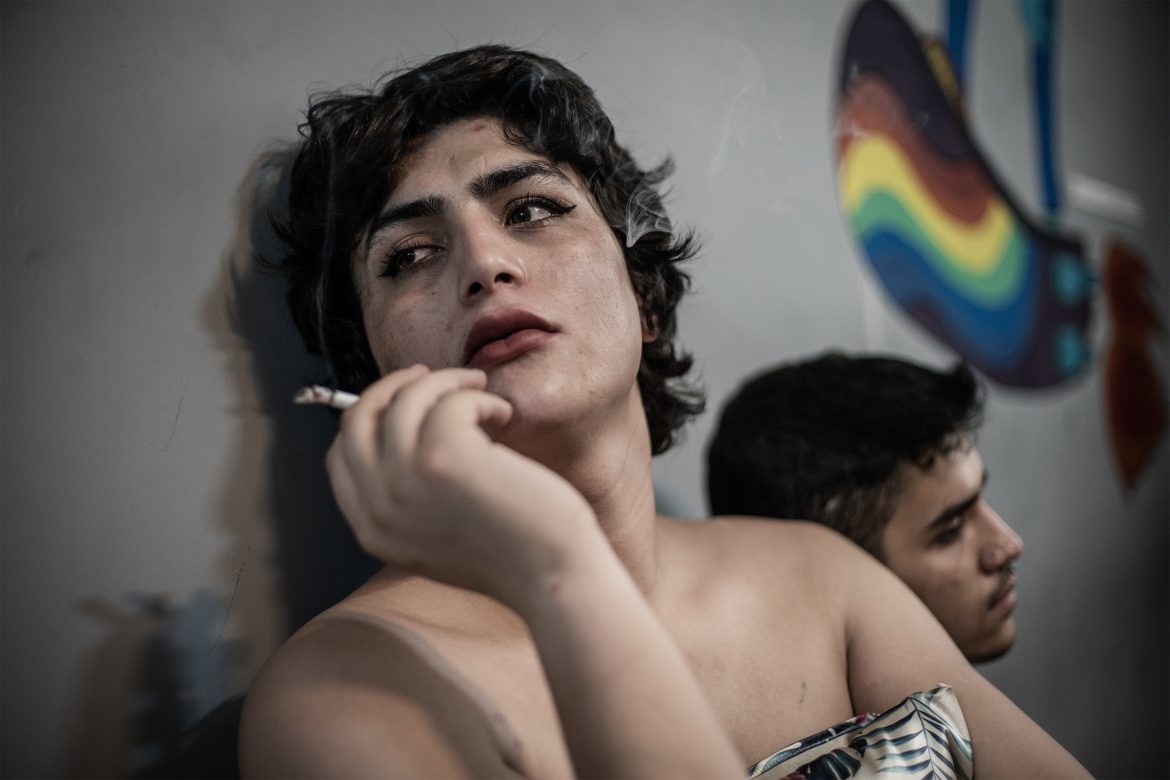
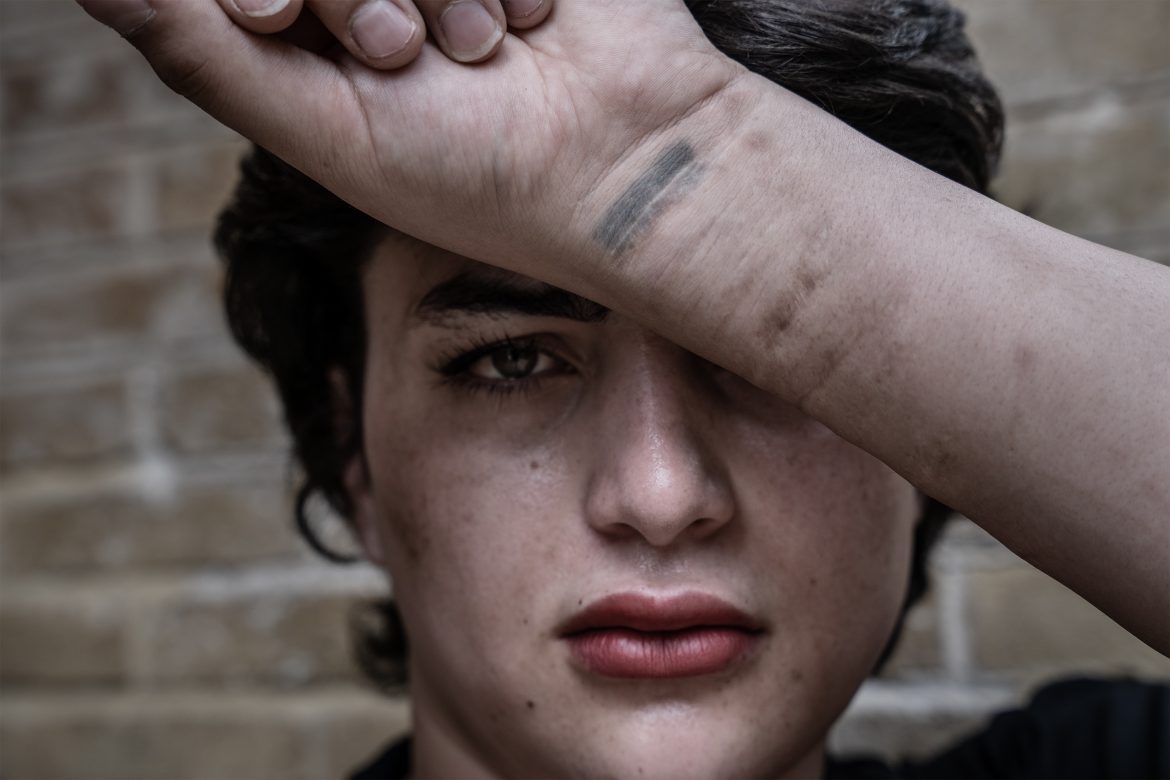
En la ciudad de Shiraz conocí a Sogand, una joven mujer trans de Kavar, un pequeño pueblo de la provincia de Fars. Rechazada por su familia, huyó a esta ciudad donde amigos y conocidos la ayudaban a sobrevivir económicamente, además de darle cariño y apoyo. Desde el primer momento en que la vi, me sobrecogió su fuerza inquebrantable. Vivía en un entorno en el que la agresión y el insulto era el pan de cada día; sin embargo, no renunciaba a su identidad y la mostraba con valentía.
Su vida no fue nada fácil. Desde niña, Sogand recibió tratamiento por parte de distintos profesionales de la salud mental, pero nunca se sintió comprendida ni apoyada, siempre fue tratada como una enferma. Tal y como ella misma me contaba, ningún psiquiatra ni psicólogo logró ayudarla; por el contrario, aumentaban su confusión en una etapa en la que apenas era una niña que no entendía lo que le ocurría. En Irán no existen programas de formación específicos para profesionales en materia de salud transgénero, y los procesos de atención no se ajustan a los estándares médicos adecuados.
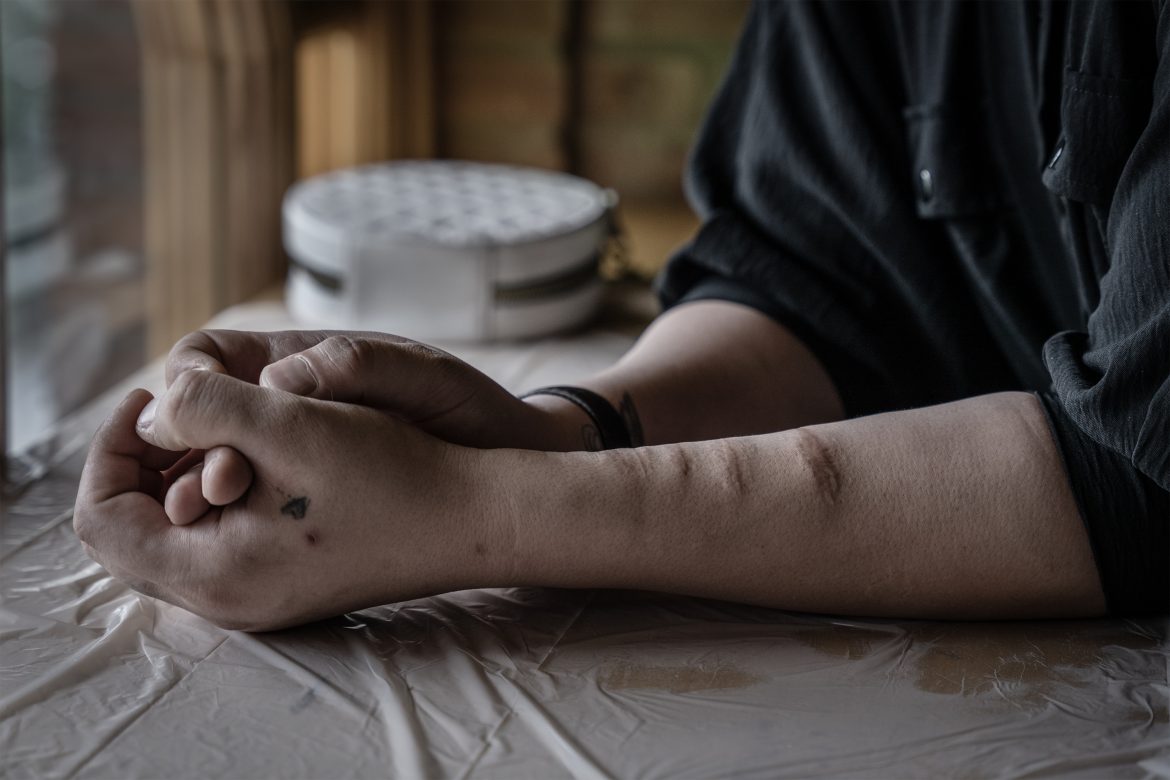
A medida que nuestra amistad crecía, descubrí las profundas cicatrices de su pasado. Incomprendida, rechazada e insultada desde muy pequeña, llegó a ver en el suicidio una vía de escape. Con tan solo 12 años fue violada por su propio primo, que tenía 22. Me contaba cómo sintió que todo su mundo se derrumbó, y cómo, después de aquella traumática experiencia, el miedo la llevó a callar, temiendo que los demás la culparan. Dos años después de aquello, en plena adolescencia y con el dolor silenciado de aquella violación, sufrió el rechazo de su propia familia, lo que se convirtió en su herida mas profunda, la que le indujo a intentar quitarse la vida por primera vez. Tras ese primer intento, vinieron varios más, sumiéndola en un abismo del que parecía cada vez más difícil salir, donde el dolor se volvía cotidiano y la esperanza apenas lograba abrirse paso. Sin embargo, en medio de esa oscuridad, algo comenzó a cambiar. Después de comprender y aceptar su identidad de género, se hizo una promesa a sí misma: luchar por su vida y no rendirse jamás. Así tomo la firme decisión de salir al mundo con valentía, mostrándose tal como era. Ese fue su juramento, y así es como eligió su nombre: Sogand, que en farsi (persa) significa “juramento” o “promesa”.
El 11 de junio de 2025, Sogand decidió volver a su localidad natal para asistir a la boda de su primo, mostrando abiertamente su identidad femenina a su familia. Durante la celebración, su tío le disparó en la cabeza, matándola instantáneamente.
SOGAND, An Unbreakable Strength
In the city of Shiraz, I met Sogand, a young trans woman from Kavar, a small town in Fars Province. Rejected by her family, she fled to the city, where friends and acquaintances helped her survive financially, while also offering her affection and support. From the very first moment I met her, I was struck by her unbreakable strength. She lived in an environment where aggression and insults were part of everyday life; yet she never gave up on her identity and showed it with courage.
Her life had been far from easy. From childhood, Sogand received treatment from various mental health professionals, but she never felt understood or supported. She was always treated as though she were ill. As she herself told me, no psychiatrist or psychologist had been able to help her; on the contrary, they only increased her confusion at a time when she was barely a child and did not understand what was happening to her. In Iran, there are no specific training programmes for professionals in transgender healthcare, and healthcare practices do not comply with appropriate medical standards.
As our friendship grew, I discovered the deep scars left by her past. Misunderstood, rejected and insulted from a very young age, she eventually came to see suicide as a way out. When she was just 12 years old, she was raped by her own cousin, who was 22 at the time. She told me how she felt as though her entire world had collapsed, and how, after that traumatic experience, fear led her to remain silent, afraid that others would blame her. Two years later, during adolescence and while still carrying the silenced pain of that rape, she experienced rejection from her own family. This became her deepest wound, driving her to attempt suicide for the first time.
After that first attempt, there were several more, plunging her into an abyss that seemed increasingly difficult to escape from, where pain became part of everyday life and hope could barely find a way through. Yet, in the midst of that darkness, something began to change. After understanding and accepting her gender identity, she made a promise to herself: to fight for her life and never give up. She then made the firm decision to face the world with courage, showing herself as she truly was. That was her vow, and it was how she chose her name: Sogand, which in Farsi (Persian) means “vow” or “promise.”
On June 11, 2025, Sogand decided to return to her hometown to attend her cousin’s wedding, openly expressing her female identity in front of her family. During the celebration, her uncle shot her in the head, killing her instantly.